

Career & Workplace Challenges
When work starts affecting more than just your workday.
Take care of your mental health today.

Signs to look out for:
Feeling stuck or unmotivated at work
Constantly thinking about work after hours
Unsure whether you're experiencing burnout
Struggling with a difficult manager or colleague
Considering changing careers
Feeling successful on paper but unfulfilled
Having difficulty maintaining boundaries
Unsure what you actually want from your career
How this can affect your…
Body
Ongoing workplace stress can affect your sleep, energy levels, concentration and ability to properly rest and recover.
Relationships
When work takes up too much mental and emotional space, it can spill into relationships with partners, family, friends and colleagues.
Mind
You may find yourself constantly thinking about work even when you're supposed to be resting. Engaging in focused thought becomes harder.
Values
You might feel that your job conflicts with your values, priorities or the kind of person you want to be.
Emotions
Workplace difficulties can leave you feeling anxious, frustrated, overwhelmed, unmotivated or emotionally drained.
Goals
You might lose sight of your career goals, question your direction or feel unsure about what you want your life and career to look like.
Therapy can help you work on
Understand your Position
Identify patterns
Recognizing your strengths
Drainers
Sources of unfulfillment
Future proofing
Stress & Burnout
Sources of stress
Preventing burnout
Healthier boundaries
Sustaining motivation
Workplace Relationship
Difficult colleagues
Workplace conflict
Managing upwards
Crucial conversations
Career Direction
Values & Priorities
Making decisions
Navigating redundancy/ unemployment
Aligning to your life goal
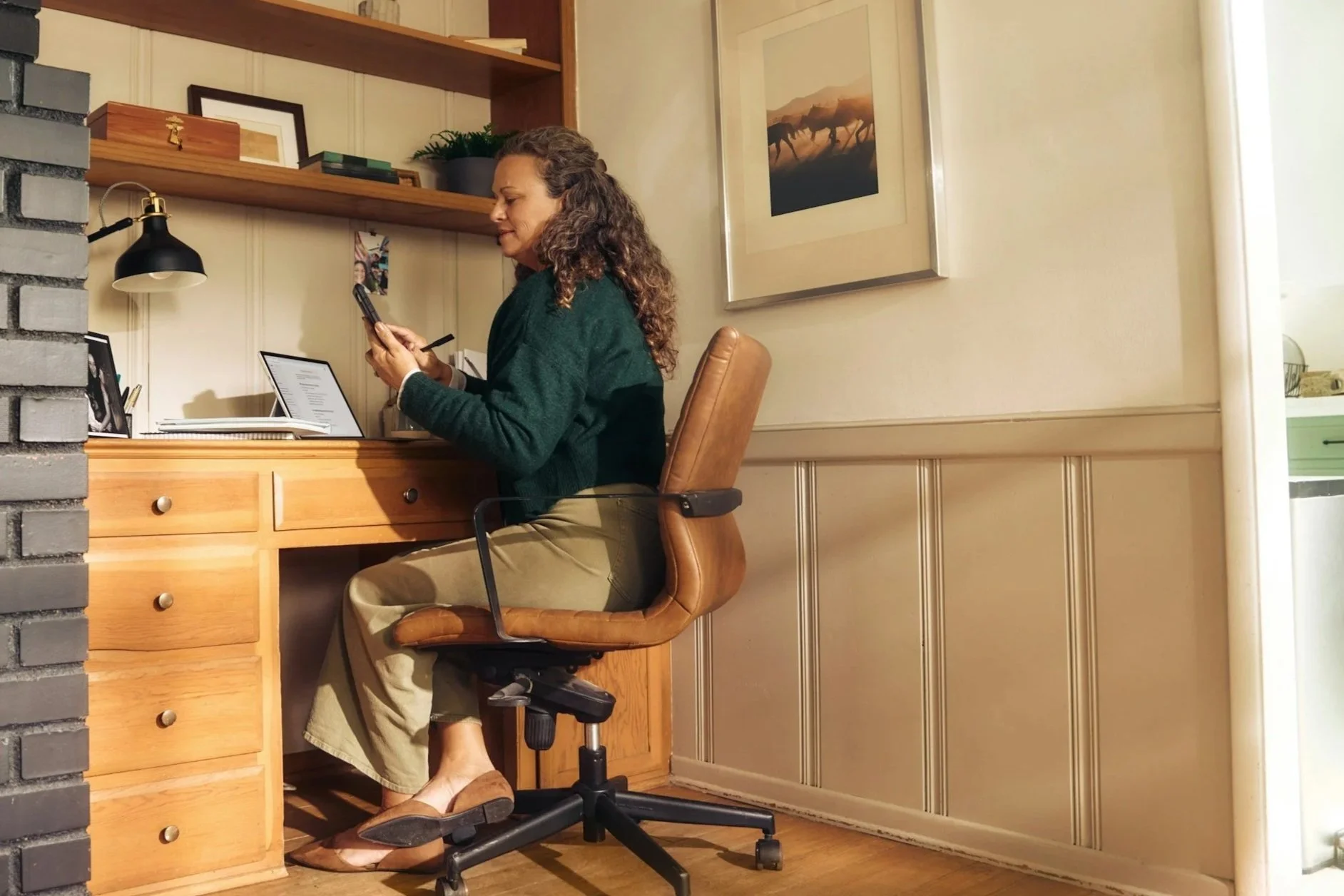
Who this is for
You might be
Working full time or part time
Navigating a career change
Managing a demanding workplace
Balancing work and family
Going through a major life transition
Trying to understand what you want next

Our Approach
Experienced
Over 8 years working across counselling, mental health, vocational and workplace settings.
Person-centred
Your experiences, values and goals guide the work.
Trauma-informed
A sensitive approach that considers how past experiences can shape the present.
Practical
Counselling should give you insight you can actually use in everyday life.
Why Choose Telehealth Counselling for Workplace Issues?
Telehealth counselling allows you to receive professional support from wherever you feel most comfortable, whether that's at home, during a work break, or while travelling.
For many people, telehealth offers the same supportive therapeutic relationship as in-person counselling, with the added convenience of meeting online.
Benefits
✔ Less disruption to your workday: Avoid travelling to and from an appointment, making it easier to fit counselling around your working hours.
✔ Flexible around your schedule: Sessions can be easier to accommodate before work, during a suitable break, or after work.
✔ No workplace commute: If you're already feeling stressed or exhausted by work, you don't need to add another journey to your day.
✔ Access support from a private location: You can choose an environment where you feel comfortable talking openly about your workplace or career concerns.
✔ Useful for busy professionals: Telehealth can make counselling more practical when your work involves changing schedules, travel, long hours or limited flexibility.
✔ Continue counselling when circumstances change: If you're working from home, travelling for work, changing workplaces or temporarily away from Adelaide, telehealth can provide greater continuity.
Things to Consider
While telehealth works well for many people, it's important to consider that:
You'll need a reliable internet connection and a device with a camera and microphone.
Choose a private location where you can speak openly without being overheard, particularly when discussing sensitive workplace matters.
If you're attending during a workday, make sure you have enough time and privacy before returning to work rather than rushing straight back into your responsibilities.
Occasionally, technical issues may interrupt a session. If this happens, we'll reconnect as quickly as possible or make alternative arrangements.
Some people simply prefer face-to-face counselling and find that in-person sessions suit them better. Telehealth is one option, not the only option.
More info about workplace counselling
-
Yes. What you discuss in counselling is not routinely shared with your employer. If you're accessing counselling through an EAP or workplace program, the provider should explain what information, if any, is shared with the organization.
-
For privately booked counselling, your employer is not routinely informed about your appointments or what you discuss. If provided through an employer-funded EAP, there may be specific reporting arrangements that would be made clear to you before sessions begin, if any.
-
You can seek counselling because you're feeling stressed, unhappy, stuck, overwhelmed or uncertain about your work or career. You don't need to wait until things become a crisis before asking for support.
-
You can talk about conflict, communication difficulties, management styles, workplace culture, boundaries or situations that are affecting your wellbeing. Workplace relationships and difficult situations at work can be important parts of counselling.
-
Counselling can give you a space to explore your options and understand what is contributing to your dissatisfaction. Rather than telling you whether you should stay or leave, we can work through your concerns, values, priorities and options so you can make a decision that feels considered and right for you.
-
We can explore both what is happening around you and how you're experiencing it. This may include workplace stress, conflict, boundaries, workload, burnout, difficult relationships or uncertainty about your future. Counselling can also help you identify what is within your control and develop practical ways of responding.
-
Workplace counselling isn't limited to people working in an office. If you're experiencing stress, burnout, isolation, difficulty switching off or uncertainty about your career while working remotely, counselling can provide a space to work through these challenges. Telehealth can also make accessing support particularly convenient for remote workers.
Fees
Individual Counselling (60 mins)
$120
Ready to Take the First Step?
Seeking support is one of the most meaningful investments you can make in your wellbeing.
Whether you're facing a specific challenge or simply want a space to reflect and grow, we're here to support you.