

Couples & Relationships
When the relationship feels harder than it used to.
Take care of your relationship today.

Signs to look out for:
Having the same arguments over and over
Struggling to communicate without becoming defensive or frustrated
Feeling unheard, misunderstood or emotionally disconnected
Finding it difficult to resolve disagreements
Struggling with trust or rebuilding trust
Feeling distant or disconnected from each other
Avoiding difficult conversations
Feeling like one person is putting in more effort than the other
Struggling with intimacy or affection
Finding that work, stress or other life pressures are affecting the relationship
Adjusting to major changes in your relationship or family
Unsure whether the relationship can move forward
How this can affect your…
Body
Ongoing relationship tension can contribute to stress, poor sleep, fatigue, muscle tension and difficulty relaxing.
Relationships
Relationship difficulties can affect not only partners but also children, family members, friends and other important relationships.
Mind
You may spend a lot of time replaying conversations, anticipating conflict, questioning the relationship or trying to work out what went wrong.
Values
You may begin questioning what you want from a relationship, what matters to you, and whether your relationship reflects the kind of partnership you want.
Emotions
Conflict and disconnection can bring frustration, sadness, anxiety, anger, loneliness, guilt or emotional exhaustion.
Goals
When so much energy goes into managing conflict or uncertainty, it can become difficult to think about the future and what you want to build together.
Therapy can help you work on
Communication & Understanding
Expressing your needs
Learning to listen
Reducing misunderstandings
Having difficult conversations
Understanding communication styles
Feeling heard without blame
Conflict & Emotional Patterns
Understanding recurring arguments
Identifying patterns
Managing emotional reactions
Breaking unhelpful cycles
Learning to repair after disagreements
Responding rather than reacting
Trust, Connection & Intimacy
Understanding changes in connection
Rebuilding trust
Improving closeness
Exploring intimacy and affection
Understanding each other's needs
Creating opportunities for connection
BMoving Forward Together
Deciding what you both want
Working through major life changes
Making important decisions
Strengthening the relationship
Creating practical changes
Understanding what moving forward could look like
Who this is for
You might be
Struggling with communication
Experiencing frequent conflict
Feeling emotionally disconnected
Trying to rebuild trust
Finding it difficult to understand each other
Going through a major life transition
Struggling to balance work, family and relationship needs
Unsure about the future of your relationship
Wanting to strengthen an otherwise healthy relationship

Our Approach
Experienced
Over 8 years working across counselling, mental health, vocational and workplace settings.
Person-centred
Your experiences, values and goals guide the work.
Trauma-informed
A sensitive approach that considers how past experiences can shape the present.
Practical
Counselling should give you insight you can actually use in everyday life.
Why Choose Telehealth Couples Counselling?
Finding time for counselling can be difficult when you're already balancing work, family and other responsibilities.
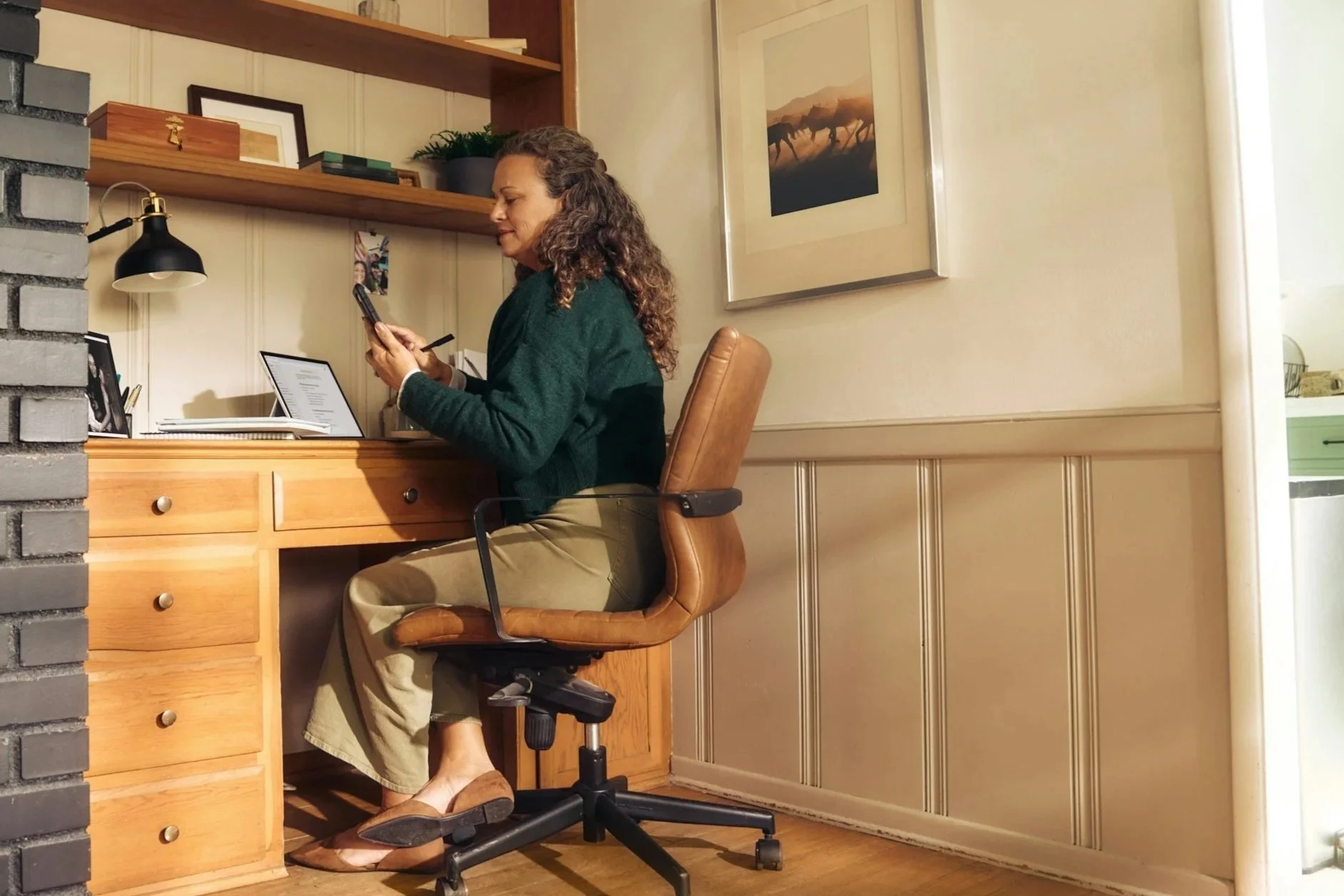
Telehealth counselling can make it easier to attend sessions together without travelling to a clinic.
It may offer
Flexible appointments around work and family commitments
No travel time for either partner
The ability to attend from a familiar and private environment
Greater flexibility when partners have busy schedules
Continuity of support when circumstances change
Things to Consider
Couples counselling isn't about finding someone to blame.
Relationships are influenced by communication, expectations, past experiences, stress, life circumstances, individual needs and the patterns that develop between two people.
Counselling can help you step outside those patterns and look at what is happening with greater clarity.
You may come to counselling wanting to improve communication, resolve ongoing conflict, rebuild trust, reconnect emotionally or simply understand your relationship better.
You don't have to know exactly what needs to change before you begin.
More info about couples counselling
-
Couples counselling is generally most effective when both partners participate, but individual sessions may sometimes be appropriate depending on your circumstances and counselling goals.
-
Recurring arguments often involve deeper patterns or unmet needs. Counselling can help you understand what is happening beneath the argument and explore different ways of responding.
-
Yes. Sessions can provide an opportunity to slow conversations down, understand each person's perspective and develop more constructive ways of communicating.
-
No. Couples counselling can also be used to strengthen communication, improve connection or work through smaller concerns before they become larger problems.
-
Trust can be explored in counselling, including how trust has been affected, what each partner needs, and what rebuilding trust may involve.
-
Counselling can provide a space to explore your feelings, concerns, needs and options. The purpose is not to make the decision for you, but to help you better understand your situation.
-
There is no fixed number. Some couples may seek support for a specific issue over a shorter period, while others may benefit from longer-term counselling. This can be discussed based on your circumstances and goals.
Fees
Couples Counselling (90 mins)
$360
Ready to Take the First Step?
Seeking support is one of the most meaningful investments you can make in your wellbeing.
Whether you're facing a specific challenge or simply want a space to reflect and grow, we're here to support you.